


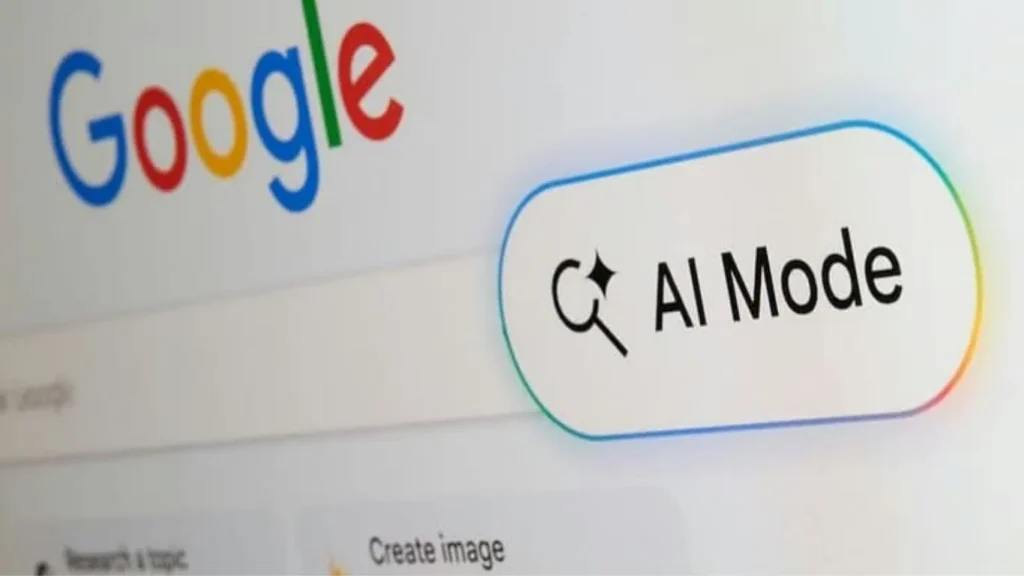
Google Search is changing how people discover information, compare businesses, and make buying decisions. Instead of simply displaying a list of websites, Google’s AI-powered search experiences can generate detailed answers, combine information from multiple sources, and help users explore topics through follow-up questions.
For businesses, this creates a new challenge: how can your website remain visible when customers increasingly use AI-generated answers to find information?
Optimizing for Google’s AI Mode in 2027 requires more than traditional keyword placement. Businesses need helpful content, strong technical SEO, clear website structure, trustworthy information, and a recognizable online presence. Your website should make it easy for both users and search systems to understand what your business offers and why your information is valuable.
Traditional SEO still plays an important role, but businesses should also consider AI search optimization, Answer Engine Optimization (AEO), and Generative Engine Optimization (GEO).
In this guide, we will explore practical ways to optimize your website for Google’s AI Mode, improve search visibility, build brand authority, and attract relevant visitors in 2027.
1. Understand How Google’s AI Mode Works
Before changing your SEO strategy, it is important to understand what Google’s AI Mode means for website visibility.
Google’s AI Mode is an AI-powered search experience designed to help users explore questions and receive more detailed, conversational responses. Rather than relying only on traditional search results, it can organize information from multiple sources to provide context and help users investigate a topic further.
For example, someone searching for a digital marketing agency may ask:
-
Which digital marketing services help small businesses generate leads?
-
What should I look for when choosing an SEO agency?
-
How much does professional SEO usually cost?
-
Which agency offers SEO and website development together?
These questions show that users are looking for more than a simple list of websites. They want useful explanations, comparisons, and information that supports their decisions.
Why Does AI Mode Matter for Businesses?
AI Mode changes how businesses should approach online visibility.
A website may attract visitors through traditional organic rankings, but customers may also discover a brand through information referenced in AI-generated search experiences.
This means businesses should focus on:
-
Publishing useful and accurate information.
-
Building authority around relevant industry topics.
-
Organizing website content clearly.
-
Strengthening brand recognition.
-
Improving technical SEO and website accessibility.
-
Answering customer questions directly.
The objective is not simply to rank for more keywords. It is to make your website a reliable source of information that supports customer decisions.
2. Focus on Search Intent Instead of Only Keywords
Keyword research remains an important part of SEO, but optimizing content only around exact search phrases is no longer enough.
People use conversational language when searching through AI-powered tools. They ask detailed questions, add context, and explore related topics through follow-up searches.
For example, instead of searching only for “SEO services,” a business owner might ask:
-
How can SEO help my business attract more customers?
-
What is the difference between local SEO and traditional SEO?
-
How long does SEO take to generate leads?
-
What should an SEO strategy include for a small business?
Your website should address these different search intents.
How to Optimize Content for Search Intent
Start by identifying the questions your potential customers ask at different stages of their buying journey.
Informational intent: Users want to understand a topic.
Example: What is technical SEO?
Commercial investigation: Users compare available options.
Example: SEO agency vs. freelance SEO consultant.
Transactional intent: Users are ready to take action.
Example: Hire an SEO agency for my business.
Create content that addresses each stage rather than targeting only high-volume keywords.
You can also use Google Search Console, keyword research tools, customer conversations, and website search data to identify relevant questions.
This approach helps build topical authority and makes your content more useful for traditional and AI-powered search experiences.
3. Create Helpful, Clear, and Authoritative Content
Content quality will remain a major part of successful SEO in 2027. Publishing large numbers of generic articles will not automatically improve your website’s visibility.
Google’s AI-powered search experiences need understandable information that addresses the user’s question. Your content should provide meaningful answers instead of repeating information already available across dozens of websites.
What Makes Content Valuable for AI Search?
Focus on the following elements:
-
Accuracy: Provide information that is factually correct and regularly reviewed.
-
Original insights: Include practical observations, examples, and industry experience.
-
Clear explanations: Explain complex topics in simple language.
-
Relevance: Keep content closely connected to the audience’s needs.
-
Depth: Cover important aspects of a subject without unnecessary repetition.
-
Trust: Support important claims with credible sources where appropriate.
For example, an article about website conversion optimization should not simply define conversion rates. It should explain how businesses can improve landing pages, simplify forms, strengthen calls to action, and measure results.
Include Real Business Experience
Original experience gives your content more value.
Consider adding:
-
Practical examples from projects.
-
Common mistakes businesses make.
-
Industry-specific recommendations.
-
Expert opinions.
-
Case studies and measurable outcomes.
-
Screenshots or original visual explanations where relevant.
AI can assist with research and content preparation, but human expertise should guide the final information.
Businesses can also strengthen their content strategy through professional SEO services, focusing on helpful content, keyword relevance, website structure, and long-term organic visibility.
4. Structure Your Content to Answer Questions Directly
Google’s AI Mode is designed to handle detailed questions and related searches. Well-organized content makes it easier for visitors to find relevant information and understand your expertise.
One useful approach is to answer important questions clearly before expanding on the subject.
For example, if your article covers local SEO, you could introduce the topic with:
What is local SEO?
Local SEO is the process of improving a business’s online visibility in location-based searches. It helps businesses connect with customers searching for relevant products or services in a specific geographical area.
After providing this short explanation, expand on its benefits, strategies, challenges, and practical applications.
Use a Clear Heading Structure
Organize your pages with a logical heading hierarchy:
-
H1 for the main page title.
-
H2 for major sections.
-
H3 for supporting topics.
-
Short paragraphs for easier reading.
-
Bullet points for important information.
-
Tables when comparing products, services, or approaches.
You should also include relevant FAQs where they genuinely help readers.
However, avoid creating unnecessary sections just to include more keywords. Every heading should serve a clear purpose.
Cover Related Questions Naturally
Suppose you are creating a page about Google Ads management. Your content could answer:
-
What is Google Ads management?
-
How does Google Ads help businesses generate leads?
-
What is the difference between search and display advertising?
-
How should businesses measure advertising performance?
Answering related questions helps you create comprehensive content around a subject instead of publishing disconnected articles.
5. Strengthen Your Website’s Technical SEO
Even excellent content cannot perform well if search engines cannot properly access, crawl, and index your website.
Technical SEO remains essential for Google’s AI-powered search experiences because eligible pages must meet Google’s existing Search technical requirements.
Start by reviewing your website’s technical foundation.
Make Important Pages Crawlable
Check that Googlebot can access your important website pages.
Review the following:
-
Robots.txt configuration.
-
XML sitemap.
-
Canonical tags.
-
Indexing directives.
-
Internal links.
-
Server response codes.
-
Redirects.
-
Mobile usability.
Make sure important content is not accidentally blocked by robots.txt or hidden behind technical restrictions.
Google Search Console’s URL Inspection tool can help you understand how Google sees individual pages.
Improve Website Loading Speed
Website performance affects the experience visitors have after clicking through from search results.
A slow website can frustrate potential customers, particularly those browsing on mobile devices.
Focus on:
-
Compressing large images.
-
Using modern image formats such as WebP.
-
Reducing unnecessary JavaScript.
-
Enabling browser caching.
-
Choosing reliable hosting.
-
Minimizing unnecessary third-party scripts.
-
Improving Core Web Vitals.
Make Your Website Mobile-Friendly
Many customers research products and services using smartphones.
Your website should provide a consistent experience across different screen sizes.
Check that:
-
Text is easy to read.
-
Navigation works properly.
-
Buttons are easy to tap.
-
Forms are simple to complete.
-
Images fit the screen.
-
Important information is visible without unnecessary scrolling.
A professional website designing and development solution can help businesses create a website that combines performance, usability, and conversion-focused design.
6. Use Structured Data to Explain Your Website Content
Structured data helps search engines understand specific information about your website and its pages.
It uses standardized formats, commonly Schema.org vocabulary, to describe information such as businesses, products, articles, and other relevant entities.
For example, a service-based business can use appropriate structured data to describe its organization and services.
Which Schema Types Should Businesses Consider?
Depending on your website, relevant schema types may include:
-
Organization schema.
-
Local Business schema.
-
Article schema.
-
Product schema.
-
BreadcrumbList schema.
-
Service schema.
Use structured data only when it accurately represents the visible information on the page.
For example, if your website contains an article about SEO strategies, Article schema may help describe the article’s title, author, and publication details.
An important point: Google does not require special AI schema or additional structured data to appear in AI Mode. Structured data remains useful as part of a broader SEO strategy, but it does not guarantee AI visibility
7. Build Topical Authority Around Your Industry
Publishing one article about a subject is rarely enough to establish strong expertise.
Businesses should develop a collection of related content that covers important topics within their industry.
This is known as building topical authority.
For example, a digital marketing company could develop content around:
-
Search engine optimization.
-
Technical SEO.
-
Local SEO.
-
AI search optimization.
-
Google Ads.
-
Social media marketing.
-
Website conversion optimization.
-
Lead generation.
Each topic can have supporting articles that answer specific customer questions.
Create Topic Clusters
A topic cluster connects a central page with supporting articles covering related subjects.
For example:
Main topic: AI Search Optimization
Supporting articles:
-
How to optimize your website for Google’s AI Mode.
-
AI Overviews vs. traditional Google search.
-
How Answer Engine Optimization works.
-
How to improve brand visibility in AI search.
-
How to create content for generative search engines.
-
How to measure AI search visibility.
This structure helps readers explore related information and creates meaningful connections between your website pages.
Use Internal Linking Strategically
Internal linking helps visitors discover relevant information while helping search engines understand the relationships between pages.
For example, an article about AI search optimization can link naturally to:
-
SEO services.
-
Technical SEO guides.
-
Website development.
-
Lead generation strategies.
Use descriptive anchor text that explains what readers will find after clicking.
Avoid using the same keyword-rich anchor text repeatedly. Internal links should feel natural and provide additional value.
8. Build Brand Authority and Trust Across the Web
Google’s AI Mode can use information from multiple sources when generating responses. Therefore, businesses should build a consistent and trustworthy online presence.
Your website is important, but customers may also encounter your brand through industry publications, business directories, professional communities, social media, and review platforms.
Ways to Improve Brand Authority
Consider the following activities:
Maintain consistent business information: Keep your business name, contact details, website, and service descriptions accurate across important platforms.
Publish expert content: Share practical insights that demonstrate knowledge of your industry.
Earn quality backlinks: Build genuine relationships with relevant publications, industry websites, and professional communities.
Encourage authentic customer reviews: Make it easy for satisfied customers to share their experiences.
Participate in industry discussions: Share useful information through professional platforms and relevant communities.
Showcase real experience: Publish case studies, project examples, and customer success stories where appropriate.
Brand mentions and external references can contribute to your overall online reputation. However, businesses should avoid buying artificial mentions or creating spammy links in an attempt to manipulate AI search visibility.
The focus should remain on building genuine recognition and trust.
9. Improve Your Website’s Experience and Conversion Potential
AI Mode may help customers discover your business, but your website still needs to convince them to take the next step.
A visitor who arrives on your website should quickly understand what you offer, who you serve, and how to contact you.
This is especially important for service-based businesses and companies that depend on qualified enquiries.
Create Clear Service Pages
Every major service should have a dedicated page explaining:
-
What the service includes.
-
Which business problems it solves.
-
Who can benefit from it.
-
How the process works.
-
What makes your approach different.
-
How customers can get started.
Avoid creating service pages with only a few generic paragraphs. Provide enough information to help potential customers make an informed decision.
Add Useful Trust Signals
Trust signals can help visitors feel more confident about your business.
Examples include:
-
Customer testimonials.
-
Verified reviews.
-
Case studies.
-
Client feedback.
-
Team information.
-
Industry experience.
-
Relevant certifications.
-
Clear contact information.
Make sure all claims are genuine and supported by evidence.
Improve Calls to Action
Your website should make the next step clear.
Depending on your business model, useful calls to action may include:
-
Request a consultation.
-
Get a free website audit.
-
Contact our team.
-
Request a service quote.
-
Book a discovery call.
Keep enquiry forms simple and ask only for information you genuinely need.
A well-designed website should support the complete customer journey, from initial discovery to enquiry and conversion.
10. Optimize Images and Videos for Search Visibility
Text is not the only way customers discover information online. Images and videos can also support website visibility and improve the user experience.
Google’s guidance for generative AI search recommends using relevant, high-quality images and videos where they add value.
Image Optimization Tips
Follow these practices:
-
Use descriptive image filenames.
-
Write meaningful alt text.
-
Compress images without sacrificing quality.
-
Choose appropriate image dimensions.
-
Use modern image formats.
-
Avoid unnecessary decorative images.
-
Make sure images are relevant to surrounding content.
For example, instead of naming an image IMG1234.jpg, use a descriptive filename such as google-ai-mode-seo-strategy.jpg.
Alt text should explain what an image shows rather than contain unnecessary keywords.
Create Useful Video Content
Videos can help businesses explain complex subjects and demonstrate their expertise.
Consider publishing:
-
Service demonstrations.
-
Step-by-step tutorials.
-
Customer success stories.
-
Expert interviews.
-
Product explanations.
-
Educational industry videos.
Add descriptive titles and relevant supporting text to video pages.
Do not publish videos simply to increase content volume. Each video should answer a genuine customer question or provide useful information.
11. Measure Your Website’s Performance in AI Search
SEO strategies should be measured regularly. Businesses need to understand whether their optimization efforts are improving visibility, attracting relevant visitors, and generating enquiries.
Traditional SEO metrics remain useful, but AI search creates additional opportunities to examine how customers discover your brand.
Use Google Search Console
Google Search Console helps businesses monitor their organic search performance.
Review:
-
Search impressions.
-
Clicks.
-
Average positions.
-
Search queries.
-
Indexed pages.
-
Technical indexing issues.
-
Page-level performance.
Google has also introduced reporting and controls for generative AI search experiences. Its updated guidance describes ways eligible website owners can review performance information related to generative AI features through Search Console. Availability and reporting details may evolve, so check the current interface for your property
Track Business Outcomes
Visibility alone does not tell you whether your marketing strategy is successful.
Also monitor:
| Metric | What it tells you |
|---|---|
| Organic traffic | Visitors arriving through organic search |
| Qualified leads | Enquiries from relevant potential customers |
| Conversion rate | Percentage of visitors completing an action |
| Cost per lead | Amount spent to generate an enquiry |
| Customer acquisition cost | Cost of acquiring a customer |
| Engagement | How visitors interact with website content |
| Assisted conversions | How marketing channels support conversions |
Remember that traffic, leads, and customers are different measurements.
A website may receive fewer visitors but generate more qualified enquiries if it attracts the right audience.
12. Common Mistakes to Avoid When Optimizing for Google AI Mode
Businesses should avoid shortcuts that promise quick AI search visibility.
Some tactics may create unnecessary work without improving the website’s actual value.
Watch out for these common mistakes:
1. Publishing generic AI-generated articles
Using AI to create content is not automatically a problem. However, publishing large volumes of repetitive content without meaningful human input or original value can damage content quality.
2. Ignoring traditional SEO
AI Mode does not make technical SEO, indexing, content quality, or website usability irrelevant.
3. Keyword stuffing
Repeating phrases such as “Google AI Mode optimization” throughout every paragraph makes content difficult to read.
4. Creating unnecessary AI-specific files
Google’s current guidance states that special AI files such as llms.txt are not required for visibility in Google Search’s generative AI features.
5. Adding irrelevant structured data
Schema markup should accurately describe the content on your website. Adding unrelated schema will not guarantee better visibility.
6. Buying artificial brand mentions
Fake reviews, spammy backlinks, and paid mentions created solely to manipulate search systems are not sustainable authority-building strategies.
7. Ignoring conversions
Getting mentioned in AI-generated responses is not the same as generating business revenue. Make sure your website provides a clear path from discovery to enquiry.
13. Practical Checklist to Prepare Your Website for Google AI Mode in 2027
Businesses do not need to completely rebuild their websites to prepare for AI-powered search. Instead, they should review their existing SEO strategy and improve the areas that affect website quality, visibility, and customer experience.
Use this checklist to identify what needs attention.
Review this checklist regularly instead of treating AI search optimization as a one-time activity.
Frequently Asked Questions
1. What is Google AI Mode in search?
Google AI Mode is an AI-powered search experience that provides conversational answers to complex questions. It can explore related topics and show links to supporting websites, helping users investigate information beyond traditional search results.
2. How can I optimize my website for Google’s AI Mode in 2027?
Focus on foundational SEO, helpful content, technical accessibility, clear website structure, and brand authority. Answer customer questions with accurate information, strengthen internal linking, and make sure Google can crawl and index your important pages.
3. Is traditional SEO still important for Google AI Mode?
Yes. Traditional SEO remains important because Google’s AI search experiences rely on its existing Search systems. Technical SEO, helpful content, indexing, website usability, and relevant internal links continue to support search visibility.
4. Does structured data help websites appear in Google AI Mode?
Structured data helps search engines understand information on a website, but Google does not require special schema markup for AI Mode. Businesses should use relevant structured data as part of their broader SEO strategy rather than treating it as a shortcut to AI visibility.
5. What is the difference between AEO and GEO?
Answer Engine Optimization (AEO) focuses on making content useful and easy to understand for answer-based search experiences. Generative Engine Optimization (GEO) focuses on improving how content and brands can be understood or referenced by generative AI systems. Both complement traditional SEO.
6. Can small businesses benefit from Google AI Mode?
Yes. Small businesses can improve their online presence by publishing expert content, maintaining accurate business information, optimizing service pages, earning genuine customer reviews, and building a strong local SEO foundation. Consistency and useful information matter more than publishing large amounts of content.
Conclusion
Google’s AI Mode is changing how customers search for information and discover businesses. In 2027, companies will need to think beyond traditional keyword rankings and focus on building a website that provides useful information, demonstrates expertise, and supports a better customer experience.
However, AI search optimization does not mean abandoning traditional SEO. Strong technical foundations, quality content, internal linking, brand authority, and conversion-focused website design remain important.
Businesses should also remember that there is no guaranteed method to appear in AI-generated answers. The most sustainable approach is to create content that genuinely helps customers and maintain a trustworthy online presence.
ASINFOVISION helps businesses strengthen their digital presence through SEO, website development, and integrated digital marketing strategies. By combining these services with a clear focus on user experience and measurable business outcomes, companies can prepare for the changing search landscape.
The goal for 2027 should be simple: build a website that customers trust, search engines can understand, and potential buyers find genuinely useful.